

The Swingset
Musings on collapse

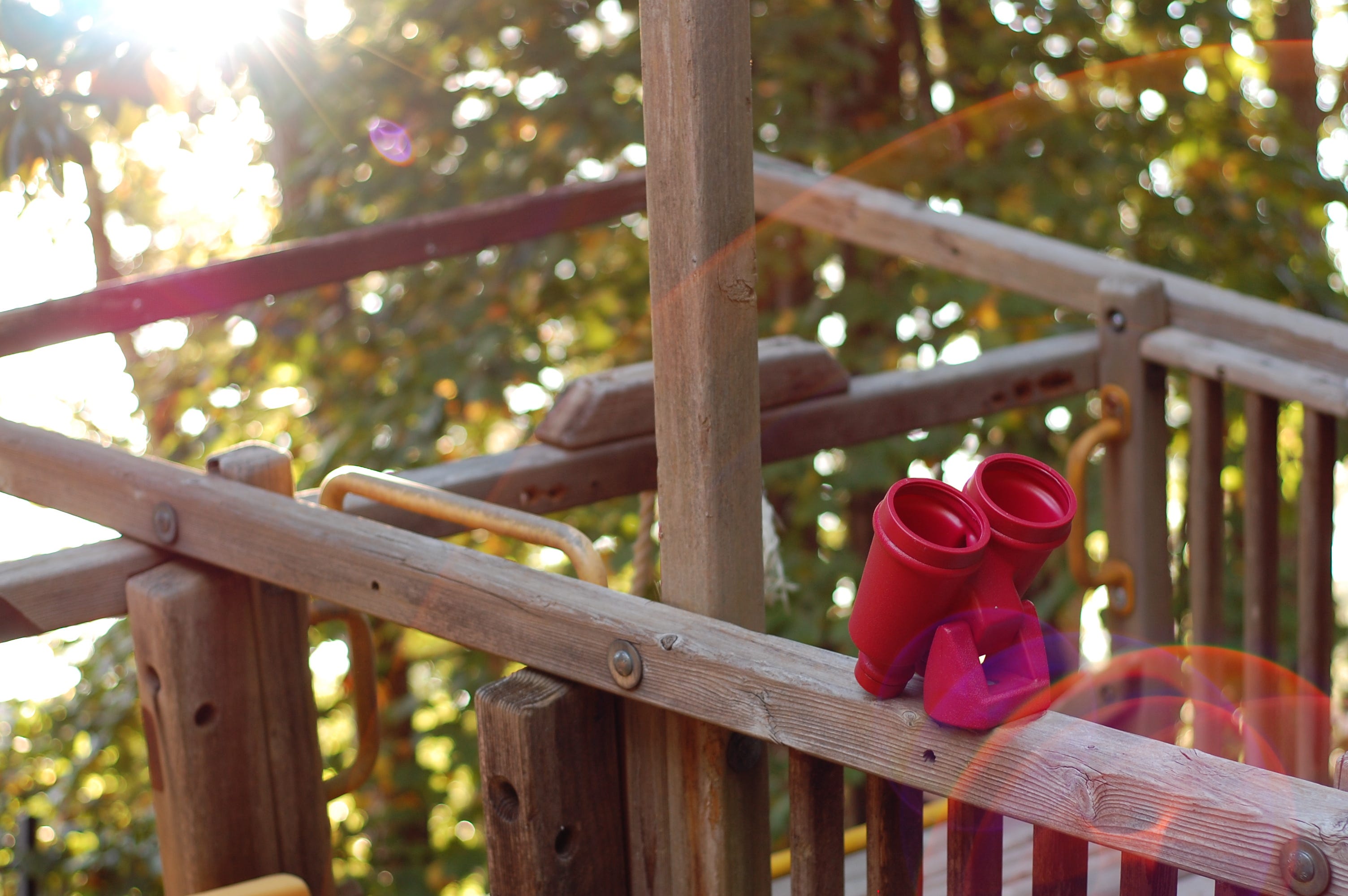
When my parents first retired and bought a new house, I was grown but still young. The place had a sprawling brick façade, complemented by the evergreens enclosing it. Out between the magnolia trees was a large wooden swingset, which, even before its demise, was a fairly ironic amenity. The happy homeowners had two twenty-something kids, and neither of us wanted our own. I used to love smoking weed on the chain-linked yellow swings, watching the evening sun set the neighboring golf course aglow. After every few hits I’d use the rig as intended, pumping my limbs to the synth of its squeaky hinges. I savored the suspension between back and forth, inhale and exhale, convinced I’d find a way to keep floating.
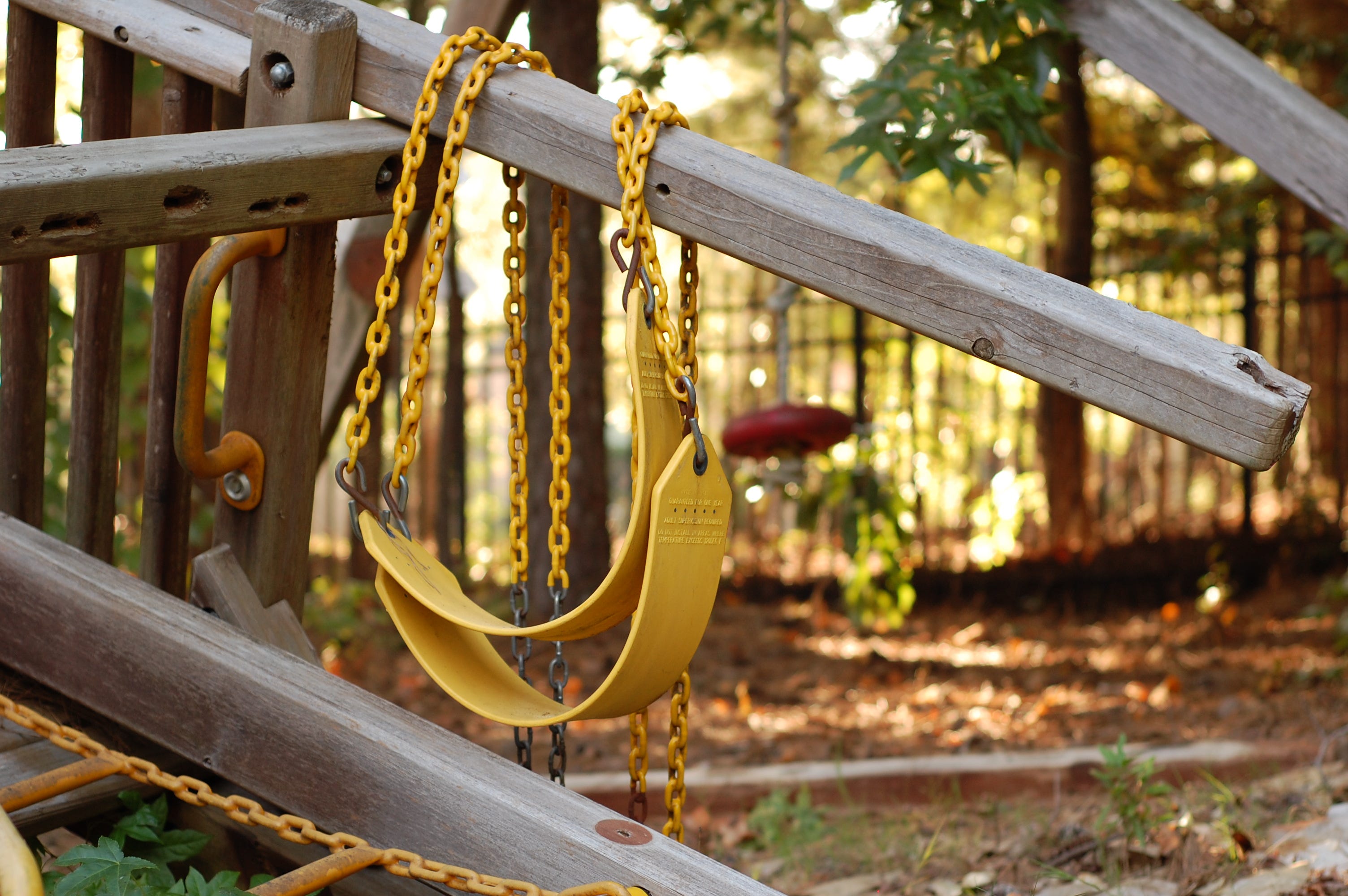
Early last year, my parents offered the still-intact swingset to my cousin Jonathan, who had been dutiful enough to give the elders a baby. He didn’t take them up on it, likely because new parents aren’t eager for premature household projects. But before long the matter was moot— a violent summer windstorm would throttle the town, demolishing the swingset on sight. Its thick cedar beams were blown out of alignment, left akimbo like a prizefighter’s limbs. By the time I saw it myself, the first glimpse of the damage made me physically queasy, like I’d actually seen a dislocated shoulder. It wasn’t just the mess, but the casual neglect. How long had it been left like this? Why would my parents ignore such an obvious problem? The wreckage had summoned two demons at once: one to jab at a psychic bruise aching since innocence, the other to warn of the role reversal awaiting all adult children.
Fall came too quickly that year. As the edges of the day became cooler and darker, what was left of the swingset grew laden with leaves. During my visits, I’d probe for a plan. “So, what’s going on with the swingset?” I’d ask, feigning nonchalance. The replies were mostly maddening, oscillating from claims of preserving the pieces for Jonathan to admitting outright that he’d declined them. Meanwhile the foliage receded, and the splintered remains were increasingly unobscured. It was the kind of blight that the neighbors, with their designer dogs and shiny new Audis, surely wouldn’t tolerate. I waited patiently for one of them to alert the HOA, citing the prominence of this eyesore and their precious property values. My parents were also biding their time. “We’ll deal with it when the weather gets warmer,” my mother once insisted when the subject was raised, or perhaps even preemptively. I might have been putting too fine a point on this.
When I subjected my displeasure to the sniff test, I’d detect a top note of shame. I’ve long been acquainted with this odor and its insidious ability to warp my perception. A few years before the storm, I endured my own catastrophe: an accident at work that threw me literally off some industrial equipment and figuratively down the class ladder. The resulting disability has drained my earning power, along with my expectation of maintaining the privilege I was born with. If the American Dream is (can I just say was? Are we all awake yet?) to be richer than your parents and bet the house on your kids, then it’s hard for me not to feel like a failed investment. A waste of high hopes and tuition money.
I’ve worked hard to reject the ableist, classist lies about human value that sustain our corporatocracy, and to construct a new narrative about what makes a meaningful life. But it gutted me anyway, being too broke to take over the cleanup; too broke to make my parents’ golden years even somewhat easier, like they’d done for me over decades. Instead I’d launched from the nest with broken wings, their hands cupped cautiously beneath me.
Admittedly, my shame had other sources. I just couldn’t see why my parents would let their neighbors think they were strapped for cash, and beckon even more of their thinly-veiled disdain. My encounters with these people have been vexing at best, full of tight-lipped smiles and pointed comments about how “lucky” we were to live there. As I write these words, a bouquet of roses adorns my parents’ living room, sent for my mother’s birthday by the same white neighbor who threw a very public fit when her son started dating a Black girl. It’s the sort of weaponized cognitive dissonance I commonly fielded growing up, seeding a stubborn complex around my self-worth. Life on Long Island trained me to chase approval of people who didn’t truly respect me, because they could make life difficult or painful when I didn’t play their games. I’m left weary and wary of white liberals, and fairly convinced they gained more from integration than the rest of us.
Because imagine if upwardly mobile Black Americans didn’t have to choose between the targeted, structural racism we endure within our own communities and the interpersonal racism we face within blended ones. We weren’t meant to exist here in peace, so we still can’t, not really. At least in New York we had friends and family in range. My parents’ choice to retire to Trump Country, a plane ride from home and mainly to afford more luxurious trappings, has put me in an awkward position: deeply disappointed by their values and yet eagerly, brattily, reaping the spoils. Did all of this really make more sense than downsizing? I once thought as I exited our pool, shaking saltwater from my hair. By the winter after that pivotal storm, the hard questions had only kept coming.
Soon the ground would thaw, and I was determined to let all of this go; not my circus, not my monkey bars. I’d recently sold my first house and returned to the nest, and I was newly committed to preserving my sanity. It turns out that owning property isn’t for everyone, and as a disabled, solo-dwelling freelance writer, my wings just weren’t strong enough to keep me aloft. I was brokenhearted and beyond frustrated, but undoubtedly blessed. My parents built an informal ADU in their terrace-level basement, so I would still see plenty of daylight. One spring afternoon, the house was a daylong parade of yard labor: hedge trimming, power washing, HVAC service. My mom and I surveyed the scene from a window, and I couldn’t even get the question out.
Ma gestured at the rotten kindling, now overrun by weeds. “The contractors are already booked up for the season,” she explained without irony. I literally bit my tongue, swallowing all of the ugly feelings swimming to the surface. Anxiety over the perpetual instability that emanated from the swingset. Concern about what other less visible or more urgent matters might be lurking on the estate, now and in the future, as my parents are less able to manage them. Embarrassment at their obsession with status games, only to play them halfheartedly. Guilt that it wasn’t my future kids they wanted to fix the swingset for, even though it was impossible anyway. And annoyance that being certain I’m not meant to be a mom does nothing to assuage the guilt.
Soon summertime returned. The swingset was still standing, in the loosest sense of that term. My mom and I were brewing kombucha together, and I impulsively mentioned the mess. She seemed to age a decade on the spot, setting her shoulders before responding. “You know, it’s not as easy as you think it is to find someone to deal with this,” she sighed, exhaling the last of her patience. Maybe that was true. It also might be true that my miserable obsession with the swingset made my parents as anxious and annoyed and ashamed as I was, maybe even for reasons unrelated to it symbolizing their bleak prospects for grandparenthood. It finally dawned on me that they’re perfectly capable of making or avoiding their own decisions, and that my only job is to stop projecting and wrangle my own disappointment — and trust that they’ll learn to do the same for me.
Overhearing this exchange, my father strolled into the kitchen. “At this point the swingset will probably just collapse on its own,” he remarked airily. I wanted to flip a fucking table over. Surely this man was not serious. At that point, this once-charming relic had been broken and askew in front of God and the neighbors and my emotionally neglected inner child for at least a full year. The comment was so unhinged that I was forced to consider that he might be right, in a broken-clocks kind of way. Truthfully, graciously, nothing in nature ever truly stagnates.
Maybe if the swingset hangs in that haunted stance for the rest of my parents’ lives and the rest of mine and the rest of Jonathan’s beautiful baby’s life, then eventually some other disaster will reduce it to shrapnel. Maybe one day the house will be sold to a bigger family with actual little kids, a family who builds an even bigger swingset between the evergreens, an even bigger inkblot on my psyche, an even bigger receptacle for my ambient neuroses…
As long as I’ve still got a good place to put them.

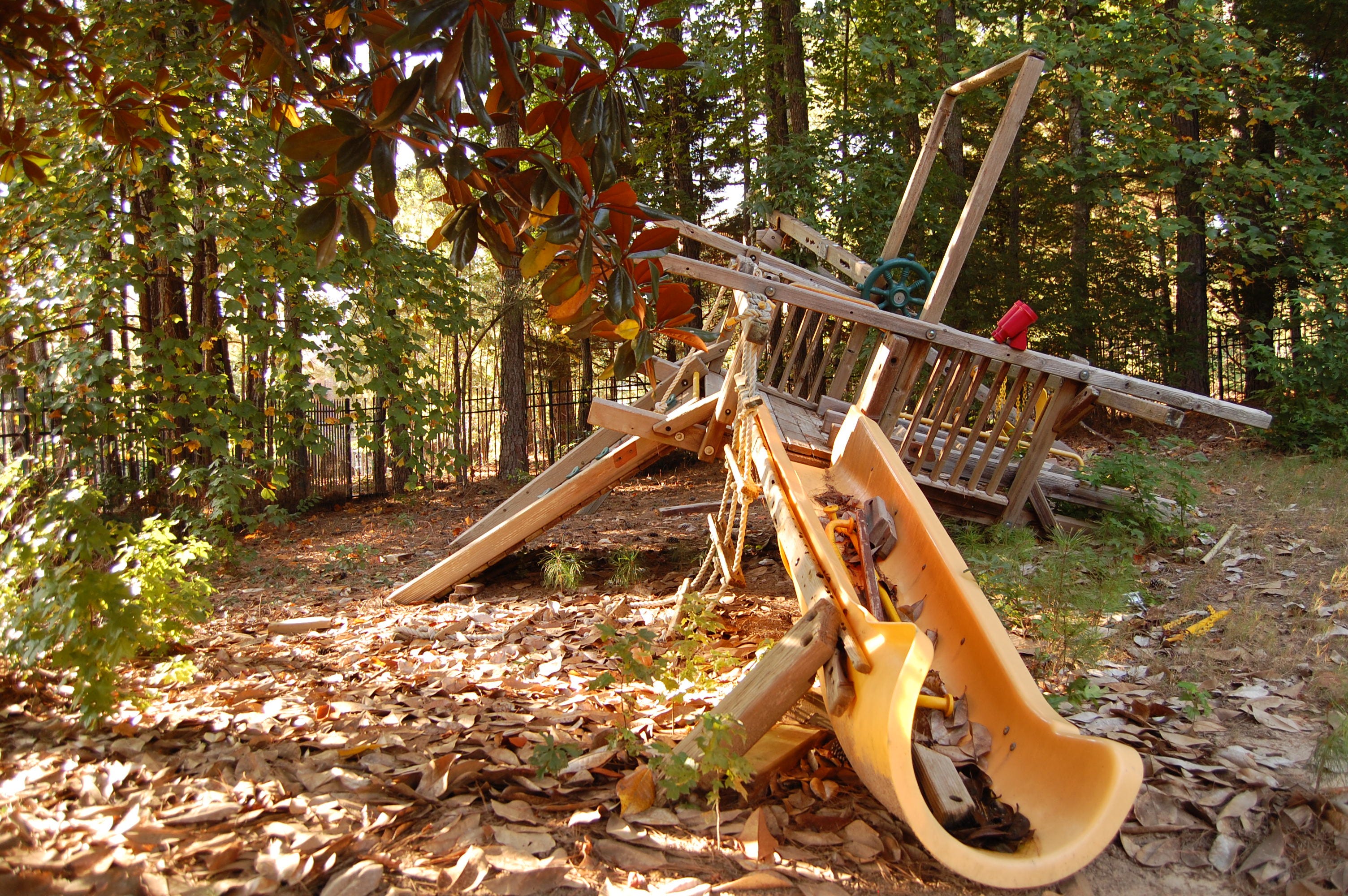
So, so good in so many ways. Perfectly reflective of the adult/child role reversal, which, in my experience, also left me feeling emotionally invested in what my Dad saw as "the smallest things" but were actually indicative of deeper, unresolved issues. (Also, BEAUTIFUL photos!!)
A beautiful read. Especially the final photo made me feel like I witnessed a bow being wrapped on a lesson I am also learning “…to warn of the role reversal awaiting all adult children”
It’s interesting to see how changing the energy around a situation can have a noticeable impact on it. My only wish is that my instinct to approach it that way was more natural.
Side note, the link “to construct a new narrative” isn’t leading me anywhere :(